

Where Does All the Cash Go After Eid Ends? Here is BGI's Crucial Behind-the-Scenes Role

Every time Eid al-Fitr approaches, we always hear the news about Bank Indonesia preparing trillions of rupiah in physical cash to meet the public's needs. Everything from handing out THR, buying groceries, to funding the hometown trip. But have you ever wondered, once the long holiday is over, where does all that physical cash go back to?
Well, this is where the cycle reverses. The money that previously spread out into people's pockets slowly flows right back into the banking system. Retail entrepreneurs, minimarket owners, and even gas stations start depositing the cash they made during the Eid holiday into the bank.
For the banking industry, the massive influx of cash actually brings some pretty headache-inducing operational challenges. First, storing physical money for too long in a branch office vault is expensive. There are insurance costs and security risks lurking around. Second, the condition of the money coming back to the bank usually isn't fresh anymore. Just imagine thousands of banknotes that have passed from one hand to another back in the hometowns—a lot of them are definitely going to be crumpled, dirty, or even torn.
At this exact point, the Cash Management Service (CMS) from PT Bringin Gigantara takes on a critical role. BGI is like the "cleanup crew" making sure the money circulation in Indonesia stays healthy post-Eid.
So, how does it work?
BGI’s Cash-in-Transit (CIT) team, with its fleet of armored vehicles, takes a proactive approach. They quickly pick up the cash piling up at bank branches or large merchants. The goal is simple: so banks don't have to bother dealing with the physical money and can focus on selling their products, whether that's loans or savings accounts.
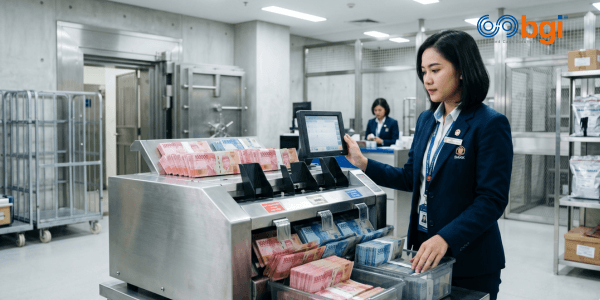
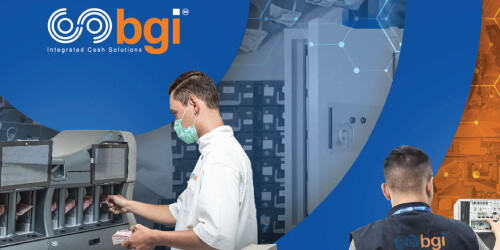
Once picked up, that money goes straight into BGI's Cash Processing Center (CPC) facilities. Here, our advanced sorting machines separate the crisp bills (Fit-for-Circulation) from the worn-out or damaged ones (Unfit-for-Circulation). The bad bills are collected to be sent back to Bank Indonesia for destruction, while the good ones are neatly stacked and ready to be loaded back into ATMs.
This behind-the-scenes work might be invisible to the average customer. But without BGI's fast and precise operational synergy, the post-Eid economic cycle wouldn't run smoothly at all. Managing this trust is definitely heavy work, but this is exactly what keeps BGI strengthening and accelerating.
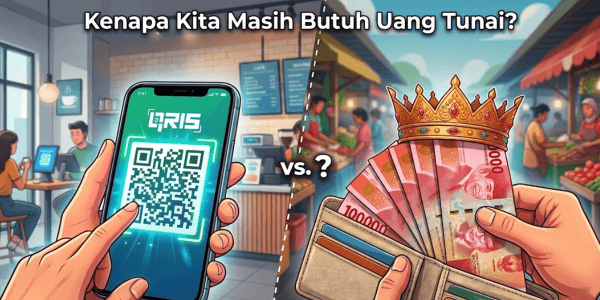
QRIS is Super Handy, But Why is Cash Still "King" in Our Wallets?

Why Cash Management Services (CMS) Are Key to Banking Profitability
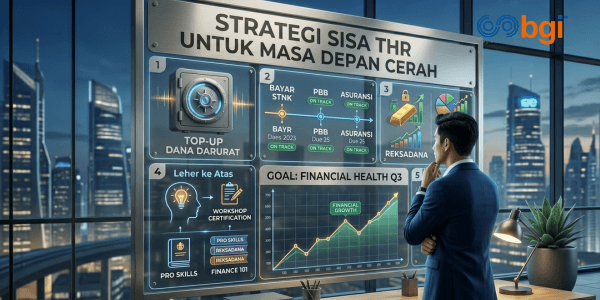
Got Leftover THR Sitting in Your Account? Don't Rush to Spend It, Do This Instead
Frustrated by ATM Cash Rejections? Understanding "Fit-for-Circulation" Standards and the Vital Role of the Cash Processing Center
Enhancing Business Operational Efficiency and Security with Integrated Cash Solutions
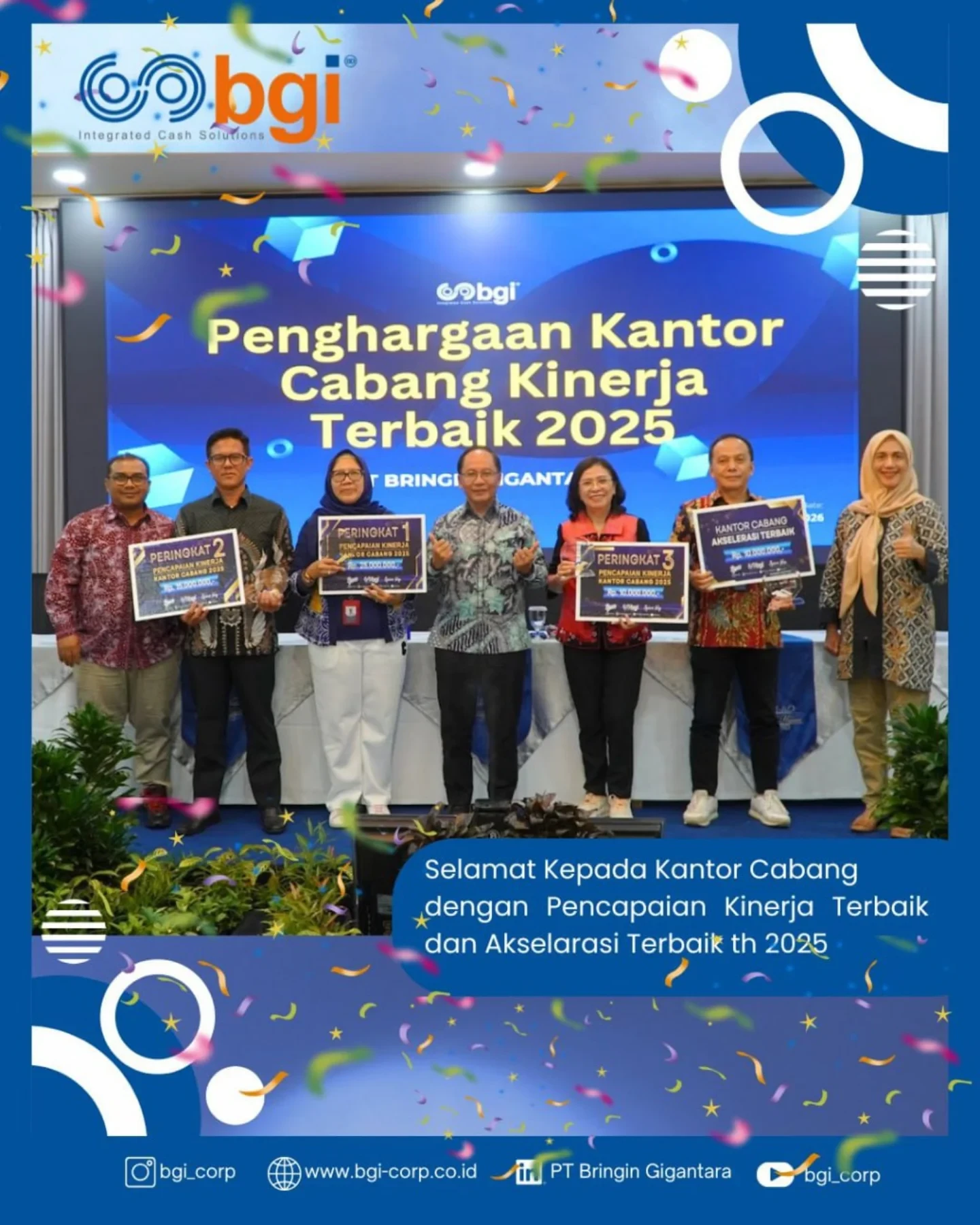
Rakernas 2026 Appreciation Night: Celebrating BGI's Best Performance and Acceleration Champions of 2025